Solar energy is becoming more popular because people look for cleaner and cheaper ways to power their homes and businesses. But when it comes to choosing a solar system, you may be confused, like Should I go with a hybrid system or an off-grid system?

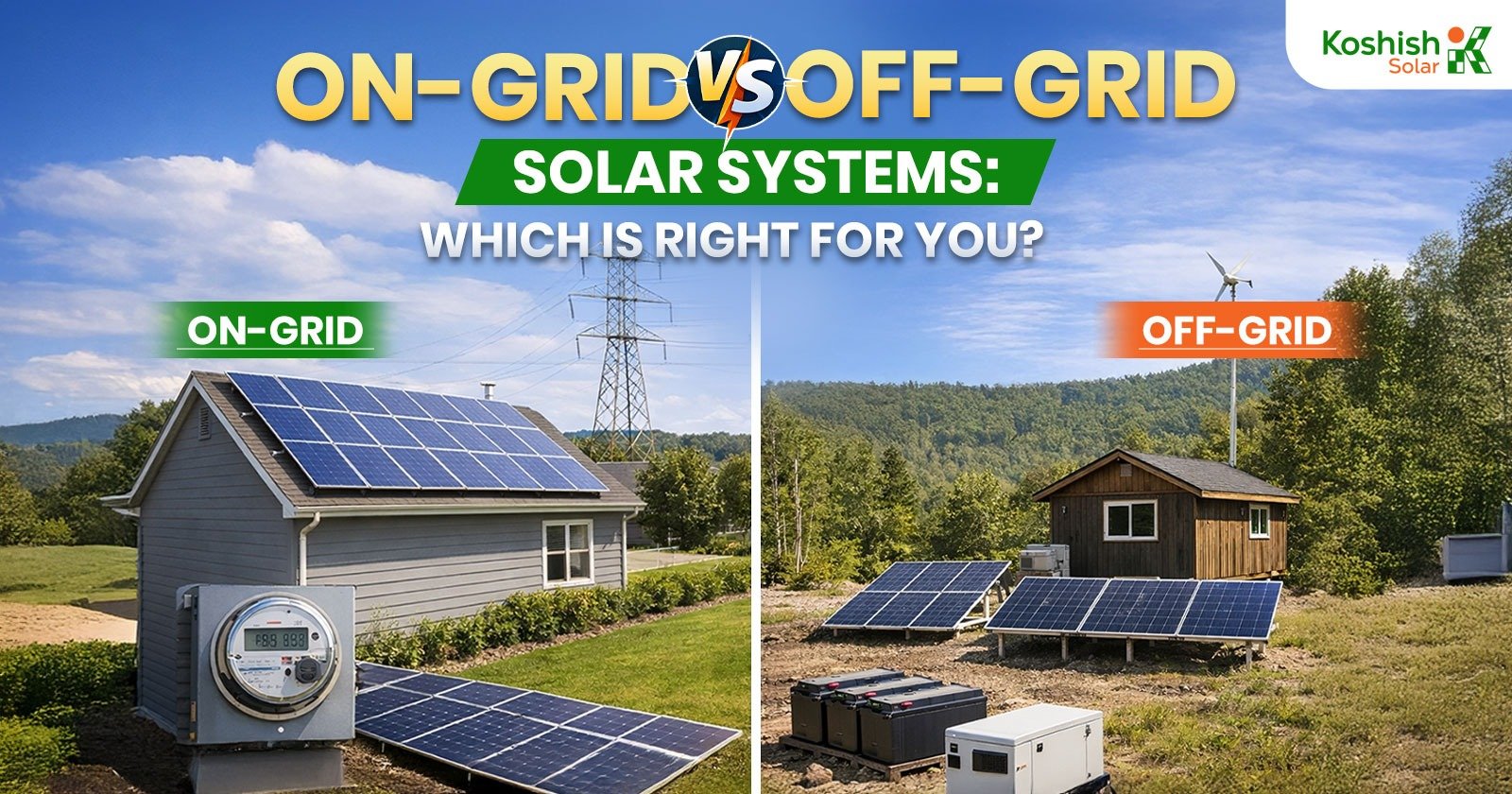
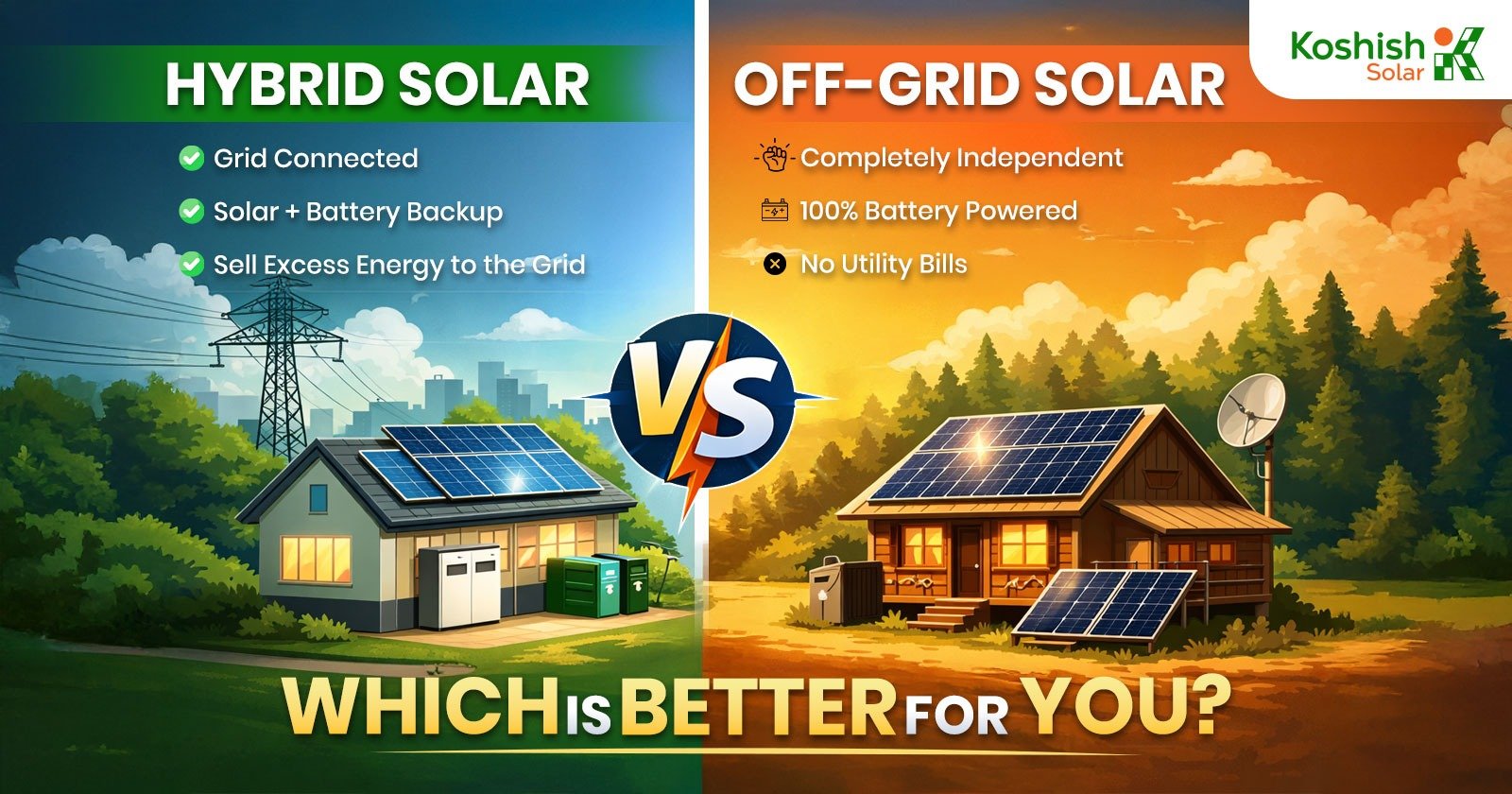
Both solar systems use sunlight to generate electricity, but they work in different ways. A hybrid solar system is connected to the electricity grid and uses batteries, while an off-grid system works completely independently without any connection to the grid.

In this blog, we’ll explain what each system does, the key difference between Hybrid Solar vs. Off-Grid Solar, and which one might be perfect for you. Whether you live in metropolitan cities, small towns, or remote areas. 

What is a Hybrid Solar System?

A hybrid solar system is a combination of on-grid and off-grid solar systems. It uses solar battery storage, a hybrid inverter, and solar panels to generate and store the energy. It converts sunrays into DC electricity. A hybrid system helps to reduce the electricity costs. 

What Is an Off-Grid Solar System?

An off-grid solar system supplies electricity independently from the local utility grid. It generates electricity from the rays and stores it in off-grid solar battery storage. It supplies electricity from the off-grid solar battery storage when needed. This is a perfect option for those who live in remote locations or are looking for an independent energy source.

Key Differences Between Hybrid Solar vs. Off-Grid Solar

Both systems generate electricity from the sun but work differently. Look at the table below and identify the key differences between a Hybrid Solar vs. Off-Grid Solar system.


Key Differences Between Hybrid Solar vs. Off-Grid Solar
Feature Hybrid Solar Off-Grid
Connection  It is connected to the power grid. No grid connection needed.
Power Backup It feeds extra energy into off-grid solar battery storage and uses the grid when needed. Supply power from the off-grid solar battery storage.
Energy Usage It uses a solar panel, a grid, and a power battery. It uses only a battery and a solar panel. 
Electricity Supply More stable.  Less stable if the battery runs out.
Installation Costs More expensive  Less expensive 
Perfect For  Businesses and homes  Remote locations

Advantages of an Off-Grid Solar System 

There are more advantages of an off-grid solar system; let’s discuss them in the points below.

  • It is an ideal option for remote locations. It supplies energy independently from the local utility grid. 
  • It is 100 % carbon-free. You can easily install it at your home. 
  • Off-grid is a self-sustaining solar power system. 
  • However, in initial installation may be costly, but it will help you reduce your electricity bills.  
  • With off-grid solar battery storage, you can store excess solar energy and use it anytime, even during nights or cloudy days.
  • It works without the DND application. 

Hybrid PV System Advantages

A hybrid photovoltaic (PV) system connects solar panels to other renewable sources such as wind. Let’s examine the hybrid PV system advantages. 

  • A hybrid solar system supplies electricity continuously. 
  • Solar systems are cost-effective in the long run, however, installation costs may be high. 
  • Hybrid PV system advantages It reduces the carbon footprint and saves the environment.
  • During electricity outages, it will automatically switch to battery storage to continue the electricity supply. 

Which One Suits Your Energy Needs?

The type of solar panel depends on various factors such as budget, location, needs, consumption level, and other factors. 

  • Energy Needs: Analyze your daily electricity consumption limit. If your budget is high, you can install a hybrid solar system. If you face 7-15 hours of electricity outages or live in remote areas, you should go with an off-grid solar system, which is an independent energy solution.
  • Location: It depends on your location; if you live in remote areas, you should choose an off-grid system, which stores energy in an off-grid solar battery storage system. Otherwise, if you live in metropolitan cities or experience power outages 1-2 hours daily, you can install a hybrid solar system.
  • Budget : Analysis factors such as installation cost, savings on electricity bills, and maintenance charges, etc. However, on-grid set-up cost is budget-friendly, while the hybrid solar system may be costly.
  • Sustainability Goals : If you compare differences between hybrid solar vs. off-grid solar for sustainable goals, an off-grid system may be the best option for you. It supplies 100% carbon-free energy.

How Hybrid Solar Provides Backup Power Without a Full Off-Grid Setup?

Without setting up the full off-grid setup, a hybrid solar system stores the energy in the battery and provides electricity. 

Here’s how Hybrid Solar provides backup power without a full Off-Grid setup.

  • Solar Energy Generation: Solar panels capture rays and transform them into electricity, which is used for immediate or stored in batteries.
  • Battery Storage: It feeds excess energy into battery storage that can be used on cloudy days or at night.
  • Grid Connection: If the batteries drain and there’s not enough sunlight, the system uses grid power to supply energy.
  • Hybrid Inverter: It is an essential part of a hybrid solar system; it manages electricity flow between the solar panel, battery, and grid.
  • Backup Power: During outages, it switches automatically to battery storage and supplies energy.

Which is Better, a Grid-Tie or off-grid Solar System?

If we compare Grid-tied solar to off-grid solar, it depends on individual needs and energy consumption level. Selecting between a grid-tied or off-grid solar system depends on your needs and location.

Grid-tied systems are cheaper and easier to install if you have a reliable electricity connection. They also allow you to earn from extra energy through net metering, according to Tata Power.

Off-grid systems provide you with full energy independence and best option for remote areas, but they cost more upfront and need regular battery maintenance. In a simple Grid-tied solar comparison, these systems are better for places with steady grid electricity, while off-grid systems are best for remote areas.

Which Solar System is Right for You: Hybrid or off-Grid?

Which solar system you should install depends on your needs and location. If you live in a remote location or there is no source of energy, you should install an off-grid solar system. Off-grid solar generates electricity independently. 

If you live in areas where you face no electricity outage problems, you can choose a hybrid solar system. A hybrid solar system may be costly, but it can reduce your electricity costs. 

Hybrid Solar vs. Off-Grid Solar Installation & Maintenance Costs: Which Option is More Affordable?

The hybrid solar system installation & maintenance cost is more than an off-grid solar system. Hybrid solar installation is expensive due to setting up batteries and connecting to the grid. 

Off-grid systems work without any grid connection, so their setup is simpler and can be more affordable. But they also need batteries to store excess energy for later use, which can affect the total cost.

Hybrid solar systems initial cost may be high, but they give you the benefit in the long run, making your power supply more reliable. An off-grid solar system is an independent energy source, especially in remote areas.

Wrapping Up

Choosing the right solar system, Hybrid Solar vs. Off-Grid Solar, depends on your energy needs, location, and goals. Each system has its own advantages, and the best one for you depends on your situation. At Koshish Sustainable Solutions Pvt.Ltd, we install solar panels for homes, businesses, industries, and large utility projects. Contact us today to find the right solar solution for you and step towards clean and reliable energy!

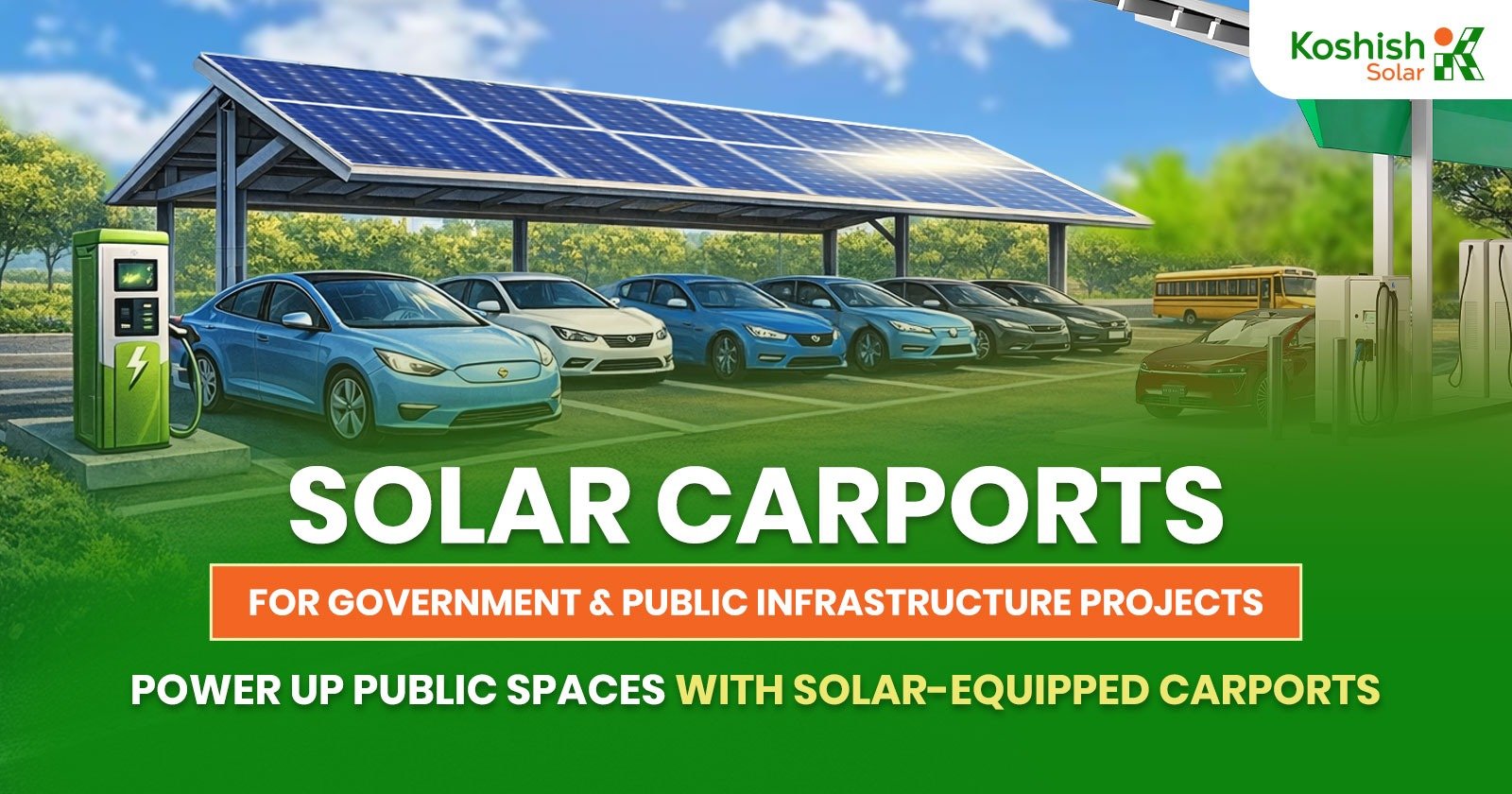
Solar carports for government & public infrastructure projects offer a smart way to combine clean energy generation with efficient use of public space. Public Solar Carports for government & public infrastructure projects offer a smart way to combine clean energy generation with efficient use of public space.

By installing solar panels over parking areas in places such as government offices, hospitals, airports, railway stations, bus depots, and educational institutions, authorities can generate renewable electricity while providing shaded parking for citizens and employees.

These solar carports help public sector organisations reduce electricity costs, cut carbon emissions, and meet renewable energy targets without requiring additional land. 

At the same time, they enhance infrastructure resilience by supporting solar-powered lighting, EV charging stations, and backup power, making them an ideal solution for sustainable and future-ready public infrastructure.

What Is Solar Carport?

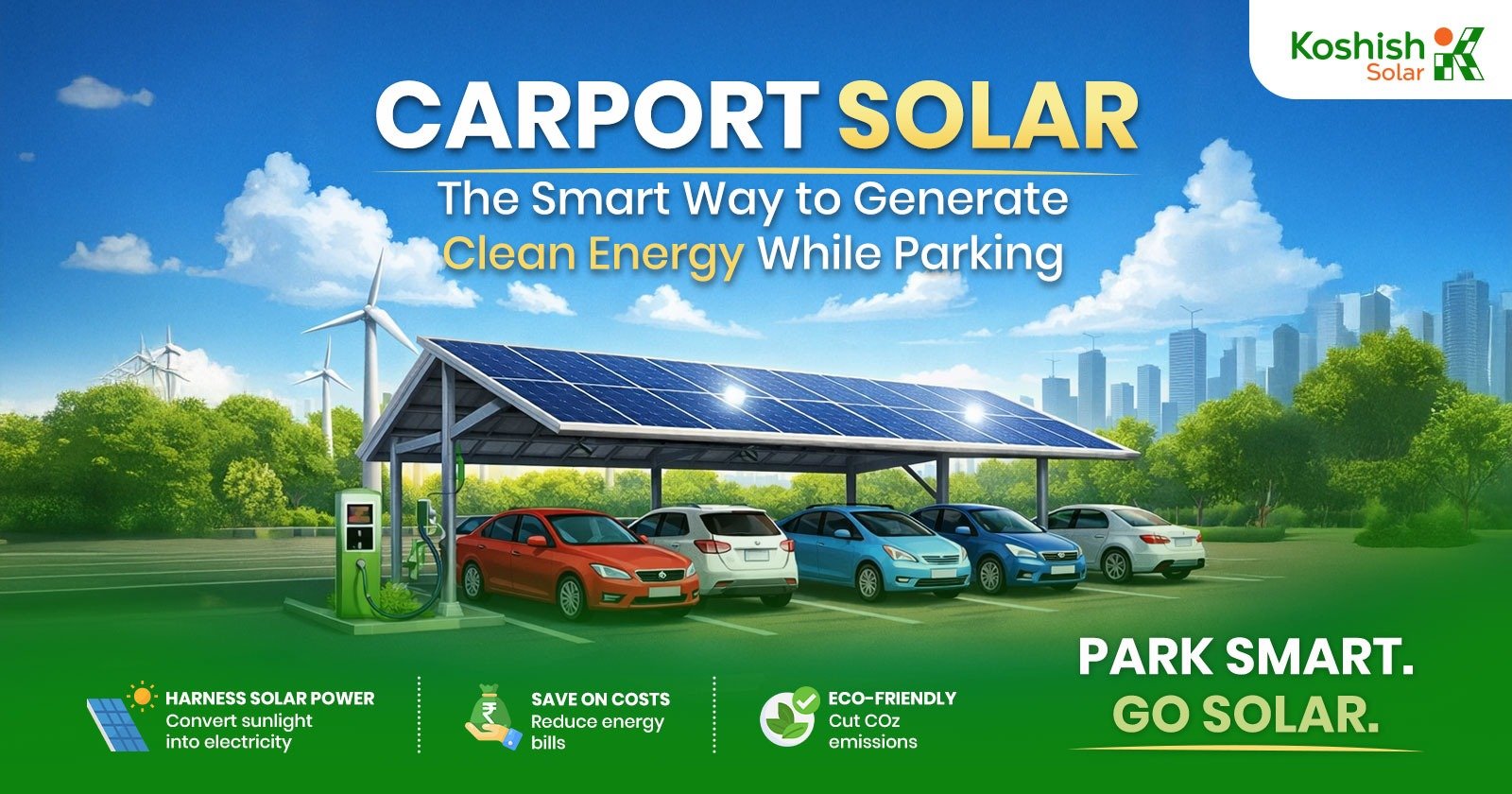
A solar carport is a parking structure with solar panels installed on its roof. It provides shade and protection for vehicles while also generating clean electricity. 

These solar panel carports are used in homes, offices, and commercial spaces and are becoming increasingly popular in the solar carport India market.

Solar carports can range from small setups for a single car to large structures covering entire parking lots. Many systems include EV charging, battery storage for night-time or power cuts, and remote monitoring to track performance. 

Unlike traditional carports, solar carports make better use of open parking areas by producing energy, reducing electricity bills, and lowering carbon emissions. Their flexible design makes them a smart and practical solution for India’s growing renewable energy needs.

How Does a Solar Carport Work?

A solar carport is a covered parking structure with solar panels on top. These panels capture sunlight and turn it into electricity using photovoltaic (PV) cells. The panels are mounted securely with a strong system to handle weather and stay at the best angle for sunlight. 

The electricity made (DC) is converted to usable power (AC) through an inverter, which can run homes, businesses, or EV chargers. 

Why Governments are Investing in Solar Carports?

Government agencies are building solar carports to cut electricity costs, support sustainable development, and reach renewable energy goals. By adding solar panels to parking areas, cities turn unused spaces into clean energy sources, while also raising public awareness about sustainability.

Solar Parking Solutions for Schools, Hospitals, and Airports

Solar carports are particularly beneficial for public facilities such as schools, hospitals, and airports.

Schools: Installing solar carports in school parking lots provides shade for vehicles and reduces the institution’s electricity bills.

Hospitals: Hospitals can rely on solar power for public spaces to ensure uninterrupted energy supply for critical services.

Airports: Airports with expansive parking areas can adopt city parking solar solutions, powering lighting, EV charging stations, and auxiliary facilities.

Public-Private Partnerships for Solar Carport Installations

To scale solar carports in public infrastructure, governments often collaborate with private companies. Public-private partnerships (PPPs) allow the sharing of investment costs, technical expertise, and long-term maintenance responsibilities. 

These partnerships ensure that municipal renewable energy projects are cost-effective, efficient, and sustainable, benefiting both taxpayers and the environment.

Challenges & Solutions in Large-Scale Solar Carport Projects

Implementing large-scale solar carports in public spaces presents several unique challenges, but with careful planning, these can be effectively addressed.

High Upfront Costs: Large solar carport projects need a lot of money upfront, which can be challenging for governments or cities. To make it easier, they can use subsidies, grants, low-interest loans, or public-private partnerships (PPPs). These supports lower initial costs and make the project affordable and sustainable over time.

Structural and Space Constraints: Public parking lots come in different sizes and shapes, which can make solar panel installation tricky. Modern carport systems can be adjusted to fit any layout, and smart designs make sure panels get sunlight without blocking parking spots.

Maintenance and Durability: Large solar carports need regular maintenance to keep working efficiently for a long time. Cleaning panels, using high-quality Tier-1 solar panels, and monitoring the system helps prevent problems. Smart monitoring can also catch issues early and fix them quickly.

The Role of Policy & Regulation in Solar Carport Adoption

Policy and regulation play a important role in the adoption of public solar carports. Supportive government policies make it easier for municipalities to invest in government solar projects by offering incentives such as tax rebates, grants, and subsidies. 

These benefits reduce the initial costs and make installing city parking solar more affordable and practical.

Clear guidelines and standards ensure that solar carports are safe, durable, and compatible with the electricity grid. This is especially important for large-scale installations in public areas, helping municipal renewable energy projects run smoothly and efficiently.

With the right mix of financial incentives and regulations, governments can encourage faster adoption of solar carports. These projects help cities save on electricity costs, promote sustainable energy, and create public awareness about the benefits of public solar carports and municipal renewable energy initiatives.

Why Choose Koshish Solar for Solar Solutions?

At Koshish Solar, we specialize in delivering reliable and efficient solar solutions for a wide range of applications. From public solar carports to government solar projects, we provide end-to-end services, including design, installation, and maintenance. 

Our expertise in large-scale solar installations ensures high-quality performance, long-term savings, and sustainable energy solutions for public and private infrastructure. With Koshish Solar, you get trusted technology, professional execution, and a partner committed to a greener future.

Wrapping Up 

Solar carports for government and public infrastructure projects are more than just energy, they help build a greener future. By using parking areas for municipal renewable energy, governments can save on electricity, support EV charging, and lead in clean energy. Cities everywhere are showing that solar power for public spaces works well and makes a difference.

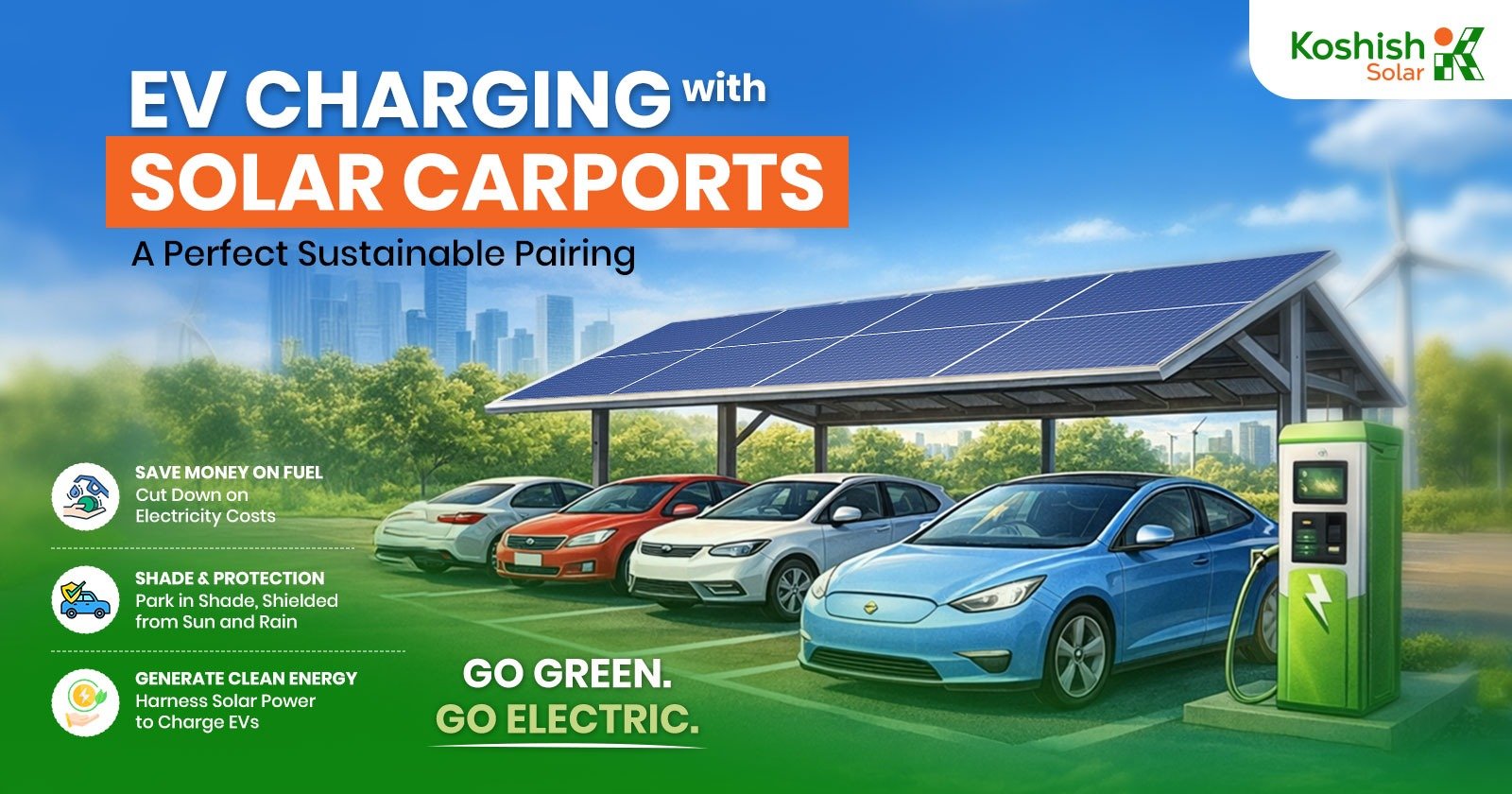
The growing adoption of electric vehicles has increased the demand for sustainable charging solutions. Solar Carport EV Charging combines solar power generation with electric vehicle charging, creating an efficient and environmentally responsible system. 

By using renewable energy for electric cars, solar carports reduce energy costs, lower carbon emissions, and maximise the use of available parking spaces.

In this blog, we will discuss about Solar Carport EV Charging, the benefits of Solar, and How Solar Carports Provide Sustainable Charging for EVs. 

What Is Solar Carport?

Solar Carport EV Charging is a simple and smart solution for clean energy. A solar carport is a structure with solar panels installed on top that produce electricity from sunlight. 

However, regular carports that only provide shade, solar carports produce clean power that can be use for charging electric vehicles or meet other energy needs.

How Solar Carports Provide Sustainable Charging for EVs?

Solar energy powers electric vehicles through an eco-friendly process. Whether it is rooftop solar, a charging station, or Solar Carport EV Charging, the same process follows. Sunlight is converted into electricity for electric vehicle charging solar solutions. This eco friendly process supports renewable energy for electric cars while reducing dependence on the grid.

  • Solar panels capture sunlight and produce clean electricity.
  • After that inverter converts this energy into a form suitable for EV charging.
  • The EV charger supplies electricity to the vehicle’s battery.
  • It provides clean and efficient electric vehicle charging solar that helps reduce energy costs.
  • Rooftop solar panels power your EV, with grid support when needed.

How EV Owners Benefit from Solar Charging?

Solar Carport EV Charging provides many benefits for electric vehicle owners, especially when combined with solar carports.

  • Solar Carport EV Charging system produces free electricity from sunlight, which reduces dependence on grid power.
  • EVs are charged using renewable energy. It reduces carbon emissions.
  • Solar carports provide shade and protection from heat, rain, and weather.
  • Solar power provides continuous energy for EV charging even during high electricity demand.
  • Once installed, solar charging systems provide low-cost energy for many years.

On-Grid vs. Off-Grid Solar Charging

Choosing between on-grid and off-grid solar charging depends on your location, power availability, and energy needs. On-grid Solar Carport EV Charging systems are connected to the electricity grid and allow extra solar power to be sent back to the grid.

These systems have lower upfront costs, provide net metering benefits, and are perfect for commercial buildings and urban areas.

Off-grid solar EV charging systems work independently and use batteries to feed solar energy. They are perfect for remote locations or areas with frequent electricity outages, because they do not depend on grid electricity and provide uninterrupted charging.

Both systems support renewable energy for electric vehicle charging solar. But off-grid systems offer complete energy independence.

Challenges of Installing Solar Carport EV Charging

There are many benefits of installing a Solar Carport EV charging system. But there are some challenges you may face when installing a Solar Carport EV  Charging system.  

  • Installing solar panels, designing carport structures, and setting up Solar powered EV station requires significant upfront capital. The upfront cost can be a barrier for small businesses or residential setups.
  • Solar carports need enough parking space not just for vehicle parking but also to set up solar panels and support structures without affecting normal parking operations.
  • However, Solar panels generate less electricity on cloudy, rainy, or low-light days,which can reduce the efficiency of EV charging.
  • Off-grid EV charging systems need batteries to store solar energy, which increases costs and requires periodic replacement over time. 

Why Choose Koshish Solar for Solar Carport EV Charging Solutions?

Koshish Solar provides sustainable and cost-effective Solar Carport EV Charging Solutions designed to meet different energy needs. We provide complete solution from system design to installation by using high-quality solar panels, strong carport structures, and advanced EV chargers. 

Our solutions are perfect for both on-grid and off-grid EV charging, which ensures clean and uninterrupted power. With expert installation and long-term support, Koshish Solar helps you build a sustainable EV charging setup.

Apart from this, we provide Residential, Commercial, Industrial, and Utility solutions with end to end solutions. 

Wrapping Up

EV charging with solar carports is a sustainable solution for the growing need for clean transportation. EV solar parking makes parking areas into source of energy. It generate clean electricity while supporting electric vehicle charging. By using renewable energy for electric cars, solar carports, it helps reduce electricity costs and lower carbon emissions.

Whether it is on-grid systems or off-grid EV charging for remote areas, solar carports provide reliable and eco-friendly power. As EV adoption increases, solar powered EV charging stations play an important role in making electric mobility more affordable, efficient, and environmentally friendly.

As we know that more people have shifted towards sustainable living and carport solar energy

is becoming a smart choice. Unlike traditional carports, solar carports don’t just protect vehicles from sunlight or rain; they also use sunlight to generate electricity. 

A solar power carport can power your home, business, or charge electric vehicles parked under the solar panel carports system. By turning parking areas into sources of clean energy, carport solar energy helps lower electricity bills and supports a greener environment. They can be used in many places, from home parking to big company parking lots, making them a flexible and environmentally friendly solution. 

What Is Carport Solar?

It is a structure that uses solar panels in place of traditional roofing materials. A solar carport protects your vehicles from the sun and generates electricity from the sun at the same time. There are two types of solar power carport structures, such as residential solar panel carports and commercial solar panel carports.

Why Carport Solar is Gaining Popularity?

Nowadays, with rising pollution levels, people are becoming more health-conscious and are actively supporting sustainable ways of living. In this shift towards a greener lifestyle, carport solar energy plays an important role. It not only provides shade to your vehicle but also generates clean & renewable energy from your parking space.

People prefer solar panel carports because they help lower electricity bills, support green energy, and can even charge electric vehicles. Solar power carport is perfect for both homes and business parking areas. 

How a Carport Solar Energy System Works? 

A carport solar energy system uses PV technology to generate clean and renewable energy without harming the environment. With carport solar energy, you can reduce electricity costs while using your parking space. Let’s understand how the solar panel carport system works. 

  • The carport roof has solar panels that capture sunlight and convert it into electricity. 
  • A solar inverter in the carport converts the DC electricity into AC, which can be used to power your home or business. 
  • Batteries store excess solar energy so you can use it during power cuts, at night, or on cloudy days.  
  • With net metering, excess electricity from your solar carport can be sent back to the power grid. In return, you may earn credits on your electricity bill. 

Benefits of Traditional Rooftop Solar

There are more benefits of a traditional rooftop solar system, such as solar panels save money, protect the environment, and increase home value. 

Increases Home Value: Solar panels make your home more valuable. Today, buyers prefer homes with solar systems because they want to reduce their electricity costs. It also helps your house sell faster and at a better price.  

Energy Independence: With solar panels, you can generate your own electricity from sunlight. That means less dependence on the power grid and more control over your energy bills. It’s the best way to save money and get continuous power. 

Lower Your Carbon Footprint: Solar power is a clean energy source. Traditional energy sources don’t release harmful carbon emissions. If your home has extra space, you can also install a solar power carport system, which provides shade to your vehicle and generates electricity at the same time.

Save on Electricity Bills: Solar panel helps you reduce electricity bills, they generate electricity directly from the sun without emitting carbon emissions.Solar parking structures are becoming popular for their dual function; they provide shade to vehicles and generate energy. 

Types of Solar Panel Carport Structures

There are three types of solar panel carport structures such as single row carports, double row carports, and cantilevered carports.  

  • Single Row Carports: If you have space issues at your home, single-row carports are perfect for your home and provide clean energy without emitting carbon emissions. However, it is also perfect for small businesses.
  • Double Row Carports: A double row carport structure is perfect for those who have no space issues and high energy demands. Generally double row solar power carport is perfect for commercial and industrial units, or schools and colleges.  
  • Cantilevered Carports: A cantilever carport is a modern shelter that protects cars from the sun and rain without needing posts or columns in the parking area.

It has a strong roof that extends from one side, supported by a sturdy beam attached to a wall or structure.  

Businesses and Homes Using Solar Carports Successfully

Carport solar energy has become a popular choice for many businesses and homeowners who want to save on energy costs and support renewable energy. Solar parking structures are used widely across homes and commercial spaces.

Many homeowners are installing solar panel carports for better use of their parking space. These solar power carports not only protect vehicles from sunlight and rain but also generate clean energy to power your home or charge electric vehicles (EVs). 

This helps reduce electricity bills and increases the value of their property. A solar carport mounting system makes it easy to set up a durable and efficient solar system in a residential or small parking space.

Solar carports are a perfect option for businesses to showcase their commitment to sustainability by using renewable energy for parking lots

Many places, like companies, malls, schools, and factories, are now using large solar parking structures. More homes and businesses are switching to carport solar energy for long-term savings.

Future of Solar Carports 

With rising pollution and growing power needs, people are looking for smart and cleaner solutions. The smart solution is that carport solar energy system, which transforms parking areas into clean energy sources. Schools, malls, and offices are now investing in solar parking structures to reduce electricity bills.

In the future, these carports will become common in homes, offices, and public spaces. They help reduce electricity bills, cut carbon emissions, and support a greener environment. 

Wrapping Up

Carport solar energy is the future of clean, sustainable living. From homes to large businesses, more people are using solar panel carports and solar parking structures to convert parking spaces into clean energy sources.

Whether you’re looking to install a solar power carport at home or set up renewable energy for parking lots in your business. There are more benefits of carport solar energy, such as lower electricity bills, reduced pollution, and long-term savings. 

Frequently Asked Questions (FAQs)

Question: What is a carport solar energy system?

A solar carport is a structure that uses solar panels. It provides shade to your vehicles and also generates electricity from sunlight.

There are two main types: residential solar panel carports for homes and commercial solar panel carports for businesses. Using renewable energy for parking lots helps reduce the need for grid electricity.

Question: What are solar parking structures?

Answer: Solar parking structures are covered parking areas with solar panels on top that provide shade to vehicles and generate clean energy.  

Question: How does renewable energy work for parking lots?

Answer: Renewable energy for parking lots means using solar panels to generate clean electricity from sunlight while providing parking shade. 

Question: What is an EV charging solar canopy?

Answer: An EV charging solar canopy is a solar-powered structure that provides shaded parking and charges electric vehicles at the same time.

Question: What does solar carport design mean?

Answer: Solar carport design means creating solar panel carports that work well and look attractive.